Crude DNA extraction is a streamlined approach that allows researchers to prepare DNA for PCR genotyping without the time, cost, and complexity of full purification. In high-throughput applications such as plant breeding, seed testing, and genetic screening, it enables faster workflows and greater sample capacity. This article explores common crude DNA extraction methods, their benefits and limitations, and how pairing them with PACE 2.0 Genotyping Master Mix can deliver reliable results, even from challenging samples.
Crude DNA extration simple explained
Crude DNA extraction is a simplified method for isolating DNA from biological samples without performing full purification steps. Instead of removing all proteins, polysaccharides, and other compounds, these techniques quickly release DNA from cells using basic mechanical or chemical disruption. The resulting crude extract contains enough intact DNA for applications like PCR DNA extraction and genotyping, especially when only short DNA fragments are required. Because it reduces time, cost, and reagent use, crude DNA extraction is widely used in high-throughput DNA extraction workflows for research and breeding.
The Challenge of DNA Extraction
SNP genotyping and molecular markers have revolutionized the fields of genomics for research, crop and livestock breed improvement, and seed purity testing, offering a fast and cost-effective approach. In the case of high-throughput plant genotyping, plants are typically genotyped from leaf tissue, necessitating the growth of the plant to the cotyledonary stage or its first true leaf. However, this process is time-consuming, space-intensive, and requires significant human resources, particularly at an industrial scale. A more efficient alternative is performing genetic screenings directly on seeds or early emerging roots (radicles), but the challenge lies in extracting DNA from seed tissue. Seeds are rich in reserve components like lipids, oils, proteins, polysaccharides, and polyphenols, which complicate DNA extraction. However, with the latest PACE 2.0 Genotyping Master Mix formulation, you can obtain superior data even from unpurified DNA samples.
While ultra-pure DNA is necessary for many genomic processes, for PCR genotyping, where only short stretches of DNA are amplified, crude DNA extractions such as the Hot Sodium Hydroxide and Tris (HotSHOT) methods are sufficient. When paired with an enhanced genotyping master mix like 3CR Bioscience’s PACE 2.0 Genotyping Master Mix, the need for extensive purification is eliminated.
High-Throughput DNA Extraction
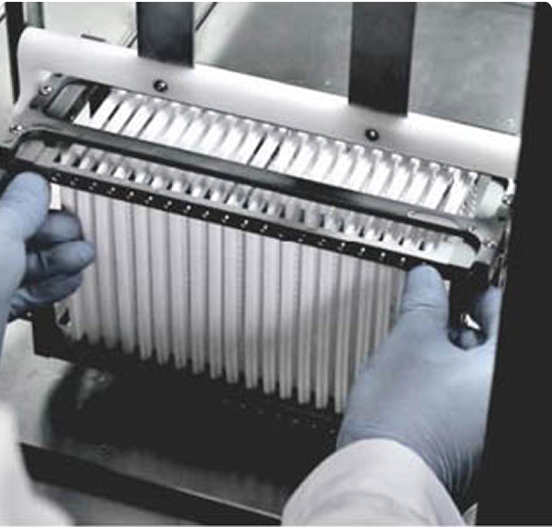
High-throughput DNA extraction refers to processing large numbers of samples quickly and efficiently, making it essential for breeding programs, genetic screening, and large-scale research projects. Crude DNA extraction methods, such as HotSHOT or tissue homogenization, are well suited for high-throughput workflows because they minimize preparation time, reduce reagent costs, and can be performed in 96-well plate formats. When paired with robust PCR master mixes like PACE 2.0, these workflows can maintain data quality even when working with crude, unpurified samples, ensuring both speed and accuracy.
Crude DNA Extraction Methods Overview
Crude DNA extraction is a quick way to release DNA from plant or seed tissue without the need for full purification. In most workflows, small tissue samples, such as leaves, seeds, or seedlings are placed in 96-well plates and broken open using mechanical force or simple chemicals. The cell debris is then separated, and the liquid containing DNA is diluted to reduce inhibitors while keeping enough DNA for detection in genotyping assays.
One of the most widely used techniques is the HotSHOT method, which is fast, inexpensive, and highly scalable. It has been successfully adapted for many plant types, even those rich in secondary metabolites, making it especially useful for seed genotyping.
Example: Hop Plant DNA Prep Method
A modified HotSHOT method works effectively with hop plants (An affordable and convenient diagnostic marker to identify male and female hop plants), which typically contain high levels of inhibitory compounds. This version is low-cost, quick to perform with basic lab equipment, and greatly improves sample throughput while reducing costs and preparation time.
Example: Carrot Seedling DNA Prep Method
For carrots, crude DNA extraction starts with breaking seedling tissue using a tissue homogenizer. After a short centrifugation, the DNA-rich liquid is diluted and is ready for PCR. This process is both time- and cost-efficient, offering a practical alternative to longer, more expensive purification methods.
PCR DNA Extraction
PCR DNA extraction is the preparation of DNA specifically for polymerase chain reaction (PCR) applications. Unlike methods used for whole-genome sequencing, PCR DNA extraction doesn’t require ultra-pure DNA. Short fragments of DNA are amplified, meaning small amounts of impurities can be tolerated. Crude DNA extraction techniques are ideal for PCR because they produce sufficient DNA quality for reliable amplification, while drastically reducing time and costs. This approach is widely used in plant and seed genotyping, where rapid and repeatable results are crucial for decision-making.
The Benefits of Crude DNA Preparation
High-quality DNA purification processes, while effective, are time-consuming and expensive. Crude DNA extraction methods offer a faster, more cost-effective alternative that is easily scalable. These methods are quicker, requiring fewer steps and reagents, and can be performed in high-throughput formats, making them ideal for downstream high-throughput genotyping. The primary benefits include:
Cost Savings: Significant reduction in expenses associated with DNA extraction kits and reagents.
Speed: Quicker preparation times compared to traditional purification methods.
Efficiency: Reduced manpower requirements and the ability to process large numbers of samples simultaneously.
The Drawbacks of Crude DNA Preparation
The primary drawback of crude DNA preparation is the lower quality of DNA compared to commercial extraction kits. For many applications, this lower quality is not sufficient. However, PCR genotyping is more forgiving, requiring only short DNA fragments. Crude DNA samples often contain compounds inhibitory to downstream PCR processes, such as polyphenols and polysaccharides. The challenge is to minimize and neutralize these inhibitors to ensure accurate and reliable results.
The Solution: PACE 2.0 Genotyping Master Mix
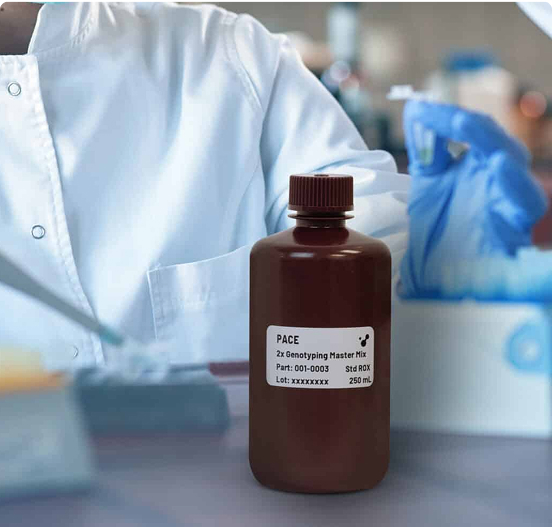
This advanced formulation of our patented PACE Genotyping Master Mix ensures consistent, accurate genotyping data without the need for extensive sample purification. By streamlining workflows and reducing costs, PACE 2.0 Genotyping Master Mix allows for high-throughput genotyping without compromising data quality.

Figure 1: SNP genotyping data generated using 1.6 μL final reaction volume on Array tape. Data from an undisclosed testing service company using crudely-extracted, PCR inhibitor-containing samples of globally-important agricultural crops, with purified control DNA samples (highlighted).
Features and Benefits
PACE 2.0 Genotyping Master Mix boasts several key features that make it ideal for use with crude DNA samples:
Inhibitor Resistance: Neutralizes PCR inhibitors present in crude DNA extracts from plant and animal samples.
Improved Signal-to-Noise Ratio: Enhanced fluorescent reporting system for better data quality.
No DNA Purification Required: Increases throughput while maintaining data integrity.
Compatibility: Works with a wide range of crude DNA extraction methods and is suitable for both endpoint and real-time PCR.
Case Studies
Case Study 1: Virginia-type Peanut
The North Carolina State University peanut breeding program has implemented a manual seed chipper and a crude DNA isolation protocol paired with PACE Genotyping Master Mix and PACE Genotyping Assays for an efficient, high-throughput workflow. This approach has enabled substantial expansion of marker-assisted selection (MAS) in their breeding program, achieving a genotyping success rate of 98.4% and significantly reducing resources required for greenhouse and field space (Understanding Variation in Oleic Acid Content of High-Oleic Virginia-type Peanut).

Figure 2: Example marker figure produced by the SNP caller. Seeds homozygous for the HO mutation in FAD2B will produce predominantly HEX fluorescence signal and plot towards the Y-axis (blue cluster in top left corner). Seeds homozygous for the wild type NO allele in FAD2B will produce predominantly FAM fluorescence signal Page 16/16 and plot towards the X axis (green cluster in bottom right corner). Heterozygous seeds will produce an equal mix of both signals and cluster in red between the two homozygous clusters. Seeds that fail genotyping will cluster near the origin (yellow in bottom left corner).
Case Study 2: Hop Plants
In a recent hop plant study, researchers from the National Clonal Germplasm Repository, OR and Forage Seed and Cereal Unit, WA of the USDA-ARS used a modified HotSHOT DNA extraction method, combined with PACE 2.0 genotyping to enable rapid, cost-effective genotyping with high accuracy. This method has the potential to significantly reduce cultivar release timelines, reallocating resources to other areas of crop improvement. Read the full article on PACE SNP Genotyping Boosts Hop Breeding with an Affordable & Convenient Diagnostic Marker to Identify Male and Female Hop Plants.
Case Study 3: Carrot Seedlings
For carrot seedlings, DNA extraction using a tissue homogenizer followed by PACE 2.0 genotyping provided an efficient, cost-effective solution for researchers at the Department of Plant and Agroecosystem Sciences, University of Wisconsin-Madison. This method facilitated high-throughput genotyping, crucial for large-scale breeding programs (read the paper on Chromosome-level changes and genome elimination by manipulation of CENH3 in carrot).
Conclusion
Crude DNA extraction methods, paired with advanced solutions like PACE 2.0 Genotyping Master Mix and PACE Genotyping Assays, offer a powerful approach for high-throughput genotyping. By reducing costs and preparation times, these methods enable efficient and reliable genetic screenings, even from challenging starting materials. As demonstrated in various user case studies, the combination of crude DNA extraction and PACE® genotyping reagents can streamline workflows, increase sample throughput, and maintain high data quality, making them invaluable tools for modern genomics applications.
For more information on how PACE 2.0 Genotyping Master Mix can enhance your DNA extraction and genotyping workflows, email support@3crbio.com or visit our Applications page.