In a recent study by Jun Heon Lee and colleagues at Chungnam National University, the genetic underpinnings of flavor-enhancing compounds in red-brown Korean native chickens (KNC-R) were explored. This research identifies key genetic polymorphisms in the histamine-N-methyl transferase (HNMT) and HNMT-like genes that are associated with the content of carnosine and anserine—compounds that contribute to both the flavor and health benefits of meat.
The study found that certain single nucleotide polymorphisms (SNPs) in the HNMT gene significantly impact the carnosine content in KNC-R chickens. Specifically, the synonymous SNP rs29009298C/T and the missense SNP rs736514667A/G were associated with higher carnosine content. These SNPs, along with sex differences (where females had higher carnosine content than males), highlight the genetic control over meat flavor quality.

Carnosine not only affects meat flavor but also provides health benefits such as antioxidant properties and contributions to immune function. Identifying these genetic markers presents an opportunity for marker-assisted selection (MAS) in chicken breeding. By selecting for chickens with favorable genotypes, breeders can enhance both meat flavor and quality, catering to consumer preferences for richer-flavored and healthier meat products.

Animal Molecular Genetics Team, Chungnum National University
Key Findings
- Identification of two SNPs in the HNMT gene that significantly increase carnosine levels in chicken meat.
- Female chickens were found to have higher carnosine content, which can influence breeding strategies.
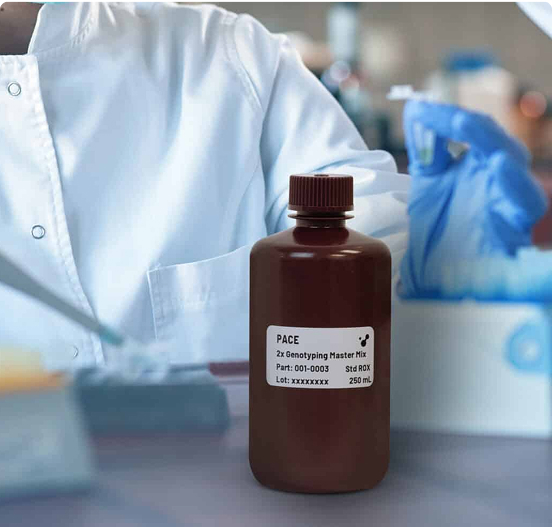
- The use of PACE® genotyping technology was crucial for efficiently identifying these genetic markers.
This study provides compelling evidence that genetic polymorphisms in HNMT genes can be used as genetic markers to breed chickens with improved flavor quality. These findings are highly relevant for the poultry industry, where consumer demand for superior-tasting, high-quality meat continues to grow.
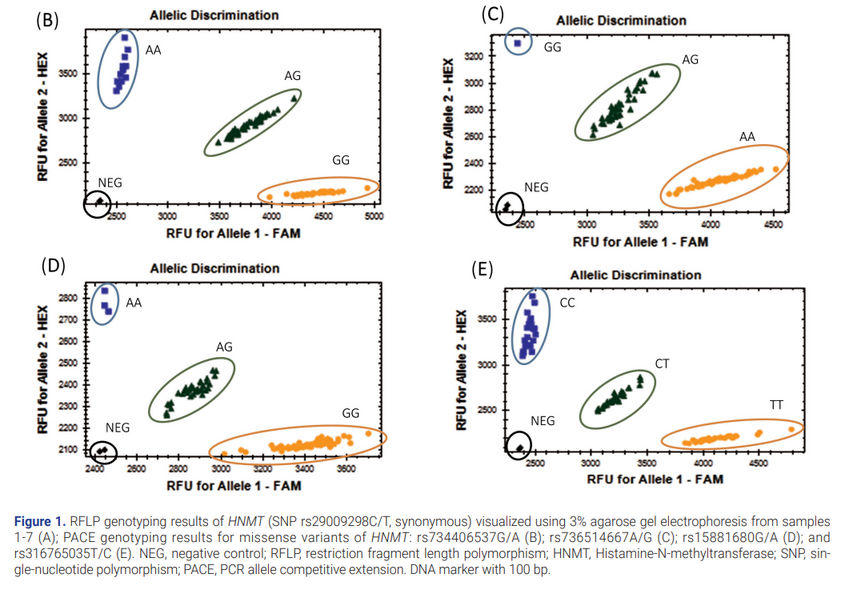
A critical aspect of this study was the use of PCR Allele Competitive Extension (PACE®) genotyping technology. This method was employed to genotype missense variants in the HNMT and HNMT-like genes, allowing the team to identify the genetic variants contributing to higher carnosine levels.
PACE’s precision and efficiency in identifying SNPs make it a valuable tool for genetic studies and breeding programs, offering a pathway to more targeted livestock improvement.
“Our research on improving meat flavour in Korean native chickens has greatly benefited from the use of PACE genotyping technology. PACE allowed us to accurately genotype significant SNPs that are associated with higher carnosine content, which plays a key role in enhancing meat quality.”
References:
- Munyaneza, J. P., Kim, M., Cho, E., Jang, A., Choo, H. J., & Lee, J. H. (2024). Association of HNMT gene polymorphisms with carnosine content in red-brown Korean native chickens. Animal Bioscience.