Organisation: Research Institute of Organic Agriculture (FiBL) & collaborators
Industry: Plant Breeding, Crop Genetics, Sustainable Protein Systems
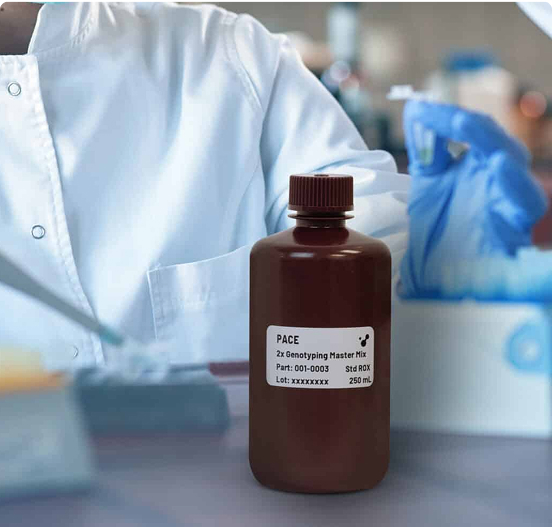
3CR Contribution: Custom PACE® assay design + PACE® Master Mix for high-throughput genotyping
Study: Patyi et al., 2025 (BMC Plant Biology)
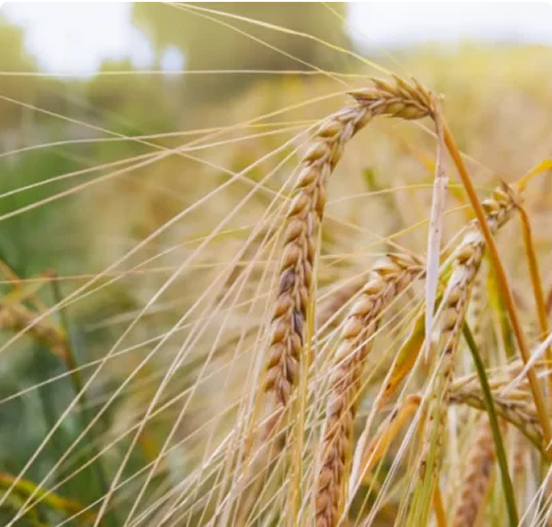
White lupin (Lupinus albus) is gaining renewed attention as a high-protein, low-input crop suited for sustainable farming. Historically used in niche horticultural systems, lupins are now being recognised for their role in both animal feed and human food markets.
In animal feed, lupins provide a sustainable alternative protein source, with seeds containing 33–47% protein. Their deep roots improve soil structure and nutrient cycling, supporting regenerative and organic systems. Farmers benefit by:
- Diversifying forage
- Reducing feed costs
- Increasing home-grown protein independence
- Supporting low-input, sustainable livestock systems
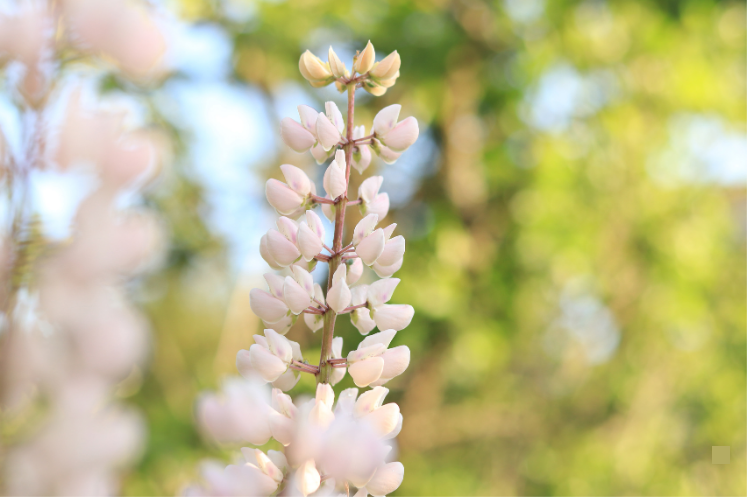
Human food applications are also expanding. Lupin flour is used in gluten-free baking, plant-based dairy alternatives, and protein-enriched foods. Its high fibre, omega-3 content and low starch make it attractive for health-conscious consumers.
The main barrier to wider adoption remains quinolizidine alkaloids (QAs) — bitter, potentially toxic compounds. Modern “sweet” varieties exist, but environmental variability can still push QA levels above safe thresholds. Breeders need reliable ultra-low-QA varieties to unlock lupin’s full potential.
How 3CR Supported the Project
FiBL aimed to identify new low-QA genetics beyond the well-known recessive pauper allele.
This required tracking sweetness alleles across hundreds of breeding lines, including:
- 112 F2 plants
- 329 F3 plants
- 34 diverse lupin accessions for validation.
3CR supported the study with:
- Custom PACE® assays for four key SNPs
- PACE® Master Mix for all genotyping reactions
- Primer design optimised via 3CR’s free assay design service
PACE® was selected for its:
- Affordability and high specificity
- Compatibility with unlabelled primers
- Scalability to hundreds or thousands of samples
- Flexibility with different DNA types, including FTA cards
This enabled a fast, cost-effective workflow suitable for large-scale breeding populations.
Key Discoveries
Using bulked segregant analysis, researchers identified a 1 Mb QTL on chromosome 5 linked to low QA, independent of pauper. PACE® assays validated SNPs in this region and the marker Lalb_Chr05_6643621 emerged as the strongest predictor for the new sweetness locus.
By stacking the pauper allele with the new chromosome 5 sweetness allele, researchers achieved:
- QA levels of 22.8 ± 10.4 ppm — ~10× below the safe threshold for human consumption
- One of the lowest alkaloid levels ever recorded in white lupin
- A dramatically simplified alkaloid profile
These ultra-low-QA lines provide reliably sweet lupin suitable for both animal feed and food markets.
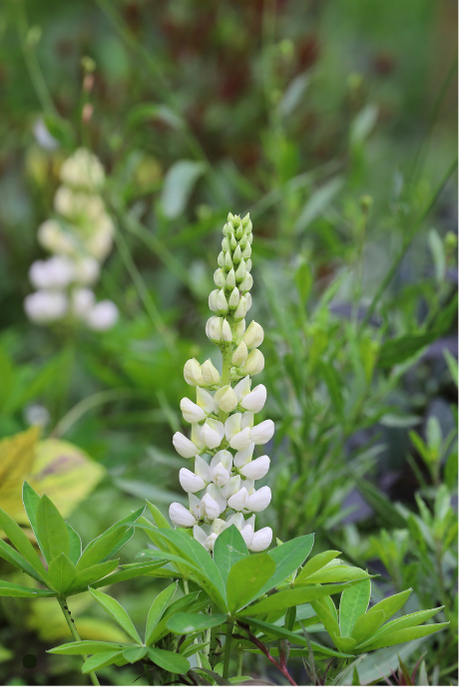
Impact on Feed and Forage
The breakthrough delivers tangible benefits for the feed and forage sector:
- Safer feed formulations: Lower QA levels improve palatability and digestibility for pigs and poultry.
- Cost reduction: Reduced need for debittering decreases costs and environmental impact.
- Support for local protein: Low-QA lupins can replace imported soy, enhancing self-sufficiency.
- Enhanced rotational value: Wider adoption improves soil fertility, biodiversity, nitrogen fixation, and forage system resilience.
By enabling breeders to select for sweetness reliably, PACE® directly supports the expansion of lupin as a mainstream protein crop.
Why It Matters
With the global shift toward sustainable protein, lupins are uniquely positioned to fill nutritional gaps if alkaloid levels are tightly controlled. This study demonstrates how 3CR’s PACE® assays allow breeders to:
- Identify new sweetness genetics
- Stack alleles effectively
- Develop ultra-low-alkaloid cultivars
- Accelerate lupin adoption across food, feed and forage markets
PACE® helped FiBL uncover new sweetness genetics in white lupin, unlocking safer, ultra-low-alkaloid varieties that support the crop’s growing role in sustainable agriculture.