More data, fewer reactions, without changing your existing assays.
As the demand for high-throughput SNP genotyping continues to grow, laboratories are under increasing pressure to generate more genetic data while making efficient use of sample material, reagents, consumables and instrument capacity.
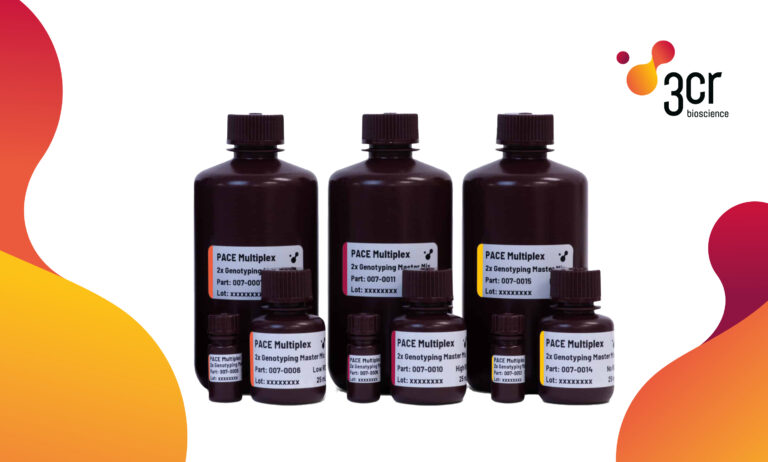
For laboratories already using allele-specific PCR technologies such as PACE® or KASP™, there is a straightforward way to achieve this: PACE® Multiplex Master Mix enables two existing singleplex genotyping assays to be combined into a single duplex reaction, effectively doubling data output per well without requiring assay redesign or optimisation.
Unlike conventional genotyping master mixes, PACE Multiplex Master Mix supports four-colour fluorescent detection, allowing two biallelic SNPs to be independently identified within the same reaction. The result is a significant increase in genotyping capacity, achieved through a simple change of master mix and assay configuration.
From singleplex to duplex: doubling data output with existing assays
Traditional allele-specific PCR genotyping workflows typically analyse one SNP per reaction well. Although highly effective, this approach means that every additional marker requires another reaction, consuming additional DNA, reagents, plasticware and instrument capacity.
PACE Multiplex changes this by allowing two existing allele-specific assays to operate simultaneously in the same reaction.
For laboratories currently using PACE or KASP assays, the transition is particularly straightforward. Two existing assays can be combined, with PACE Multiplex Master Mix replacing the conventional genotyping master mix. There is no requirement to redesign the assays or undertake additional assay optimisation.
This means laboratories can move from singleplex to duplex genotyping while retaining their established assay designs and workflows.
The practical advantages include:
- Twice the SNP data per reaction: Analyse two biallelic markers in a single well.
- Reduced DNA consumption: Generate more genetic information from the same starting material.
- Lower reagent and consumable costs: Fewer individual reactions are required to screen the same number of markers.
- Reduced processing time: Fewer reactions mean less sample handling and potentially fewer instrument runs.
- Increased laboratory capacity: Generate more datapoints using existing plate and instrument capacity.
For laboratories processing thousands or millions of samples, these efficiencies can translate into substantial improvements in overall testing capacity and cost per datapoint.
How does PACE Multiplex Master Mix work?
PACE Multiplex combines target amplification with four-colour fluorescent detection, using a universal fluorescent reporting system to distinguish multiple PCR targets within a single reaction.
The master mix contains four quenched fluorescent reporting cassettes, labelled with FAM, HEX, ATTO 590 and ATTO 647N. Each cassette is designed to recognise a specific universal primer-tail sequence incorporated into the PCR product during amplification.
| Fluorophore | Excitation (nm) | Emission (nm) |
|---|---|---|
| FAM | 485 | 520 |
| HEX | 520 | 560 |
| ATTO 590 | 590 | 620 |
| ATTO 647N | 649 | 662 |
| ATTO 680 reference dye | 681 | 698 |
For SNP genotyping, each assay comprises two competitive allele-specific forward primers, differing at their 3′ terminal nucleotide and carrying distinct 5′ tail sequences, together with a common reverse primer.
When two assays are combined in a multiplex reaction, each assay is assigned its own pair of fluorescent reporters:
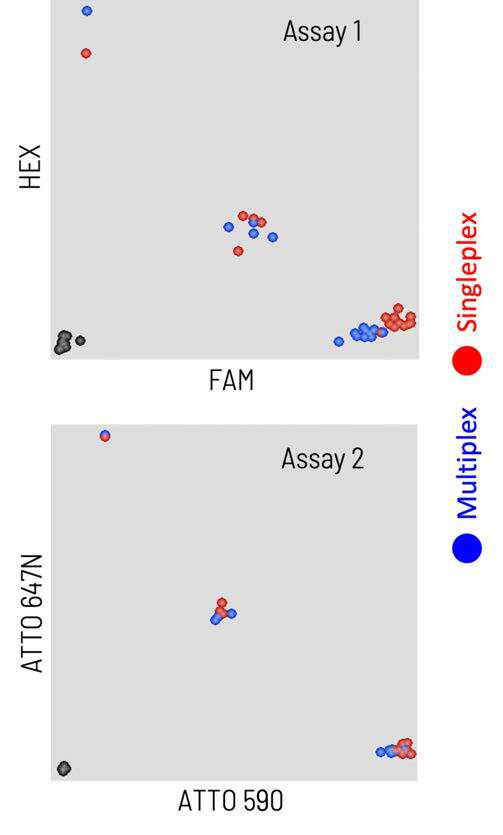
- Assay 1: FAM and HEX.
- Assay 2: ATTO 590 and ATTO 647N.
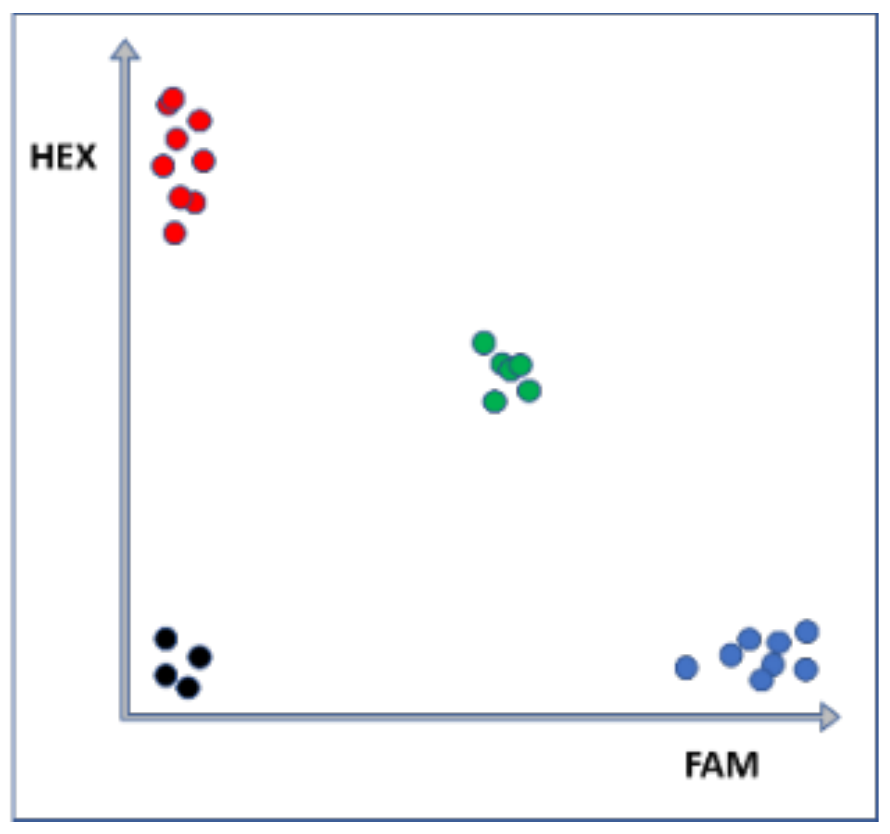
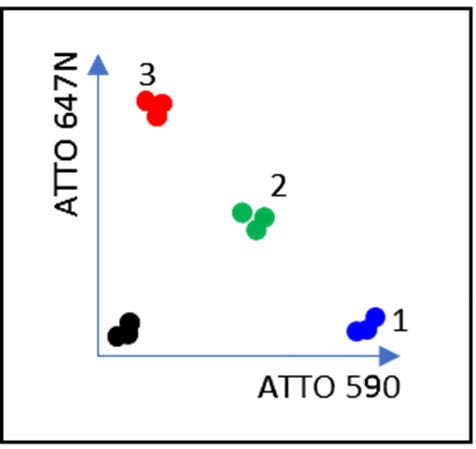
During PCR amplification, the allele-specific forward primers bind according to the nucleotide present at the SNP position. Both allele-specific primers amplify in a heterozygous sample, whereas only one amplifies in a homozygous sample.
As amplification proceeds, the universal tail sequences become incorporated into the resulting amplicons. Their complementary fluorescent reporting cassettes then bind, generating the corresponding fluorescent signals.
The resulting fluorescence profiles allow the genotype of each SNP to be independently determined. Because each assay uses a separate pair of fluorophores, both SNPs can be analysed simultaneously without confusing their respective genotype signals.
The same four-colour reporting chemistry also supports applications beyond conventional biallelic SNP genotyping, including:
- Two biallelic SNPs.
- Tri- or quad-allelic SNPs.
- One reference gene alongside three genes of interest.
This flexibility makes PACE Multiplex suitable for a broad range of endpoint PCR genotyping and sequence detection applications.
Designed for high-throughput genotyping
The benefits of multiplexing become particularly significant when applied to large-scale genotyping operations.
By reducing the number of reactions required, PACE Multiplex helps streamline sample preparation, PCR setup, amplification and fluorescence detection. Laboratories can make more efficient use of existing plate capacity, reduce the volume of reagents required and accelerate the delivery of genotyping results.
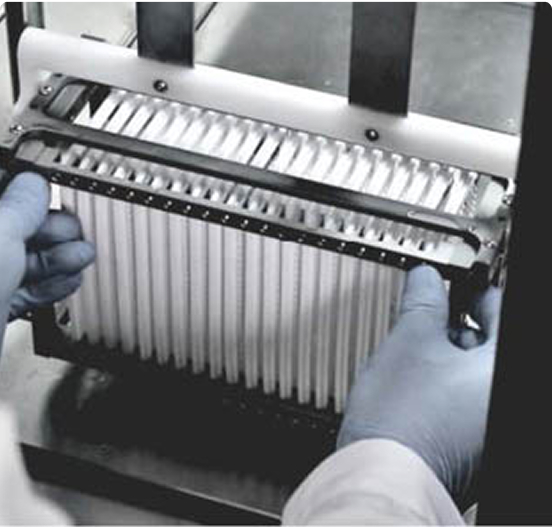
PACE Multiplex is also designed to integrate with 3CR Bioscience’s automated genotyping platforms, including the HyperArrayer and HyperGeno™ systems.
High-speed fluorescence detection with GeneScanner
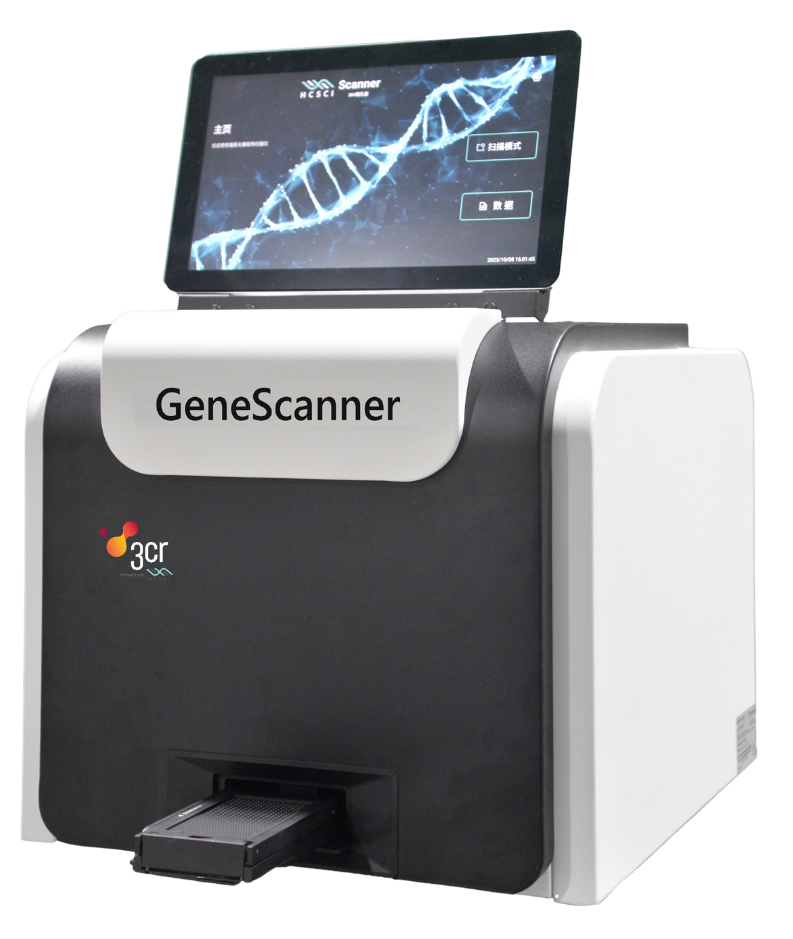
3CR Bioscience’s GeneScanner provides rapid endpoint fluorescence detection for high-throughput multiplex genotyping workflows.
Compatible with 384- and 1536-well plates, the GeneScanner detects all four PACE Multiplex reporter fluorophores, using ATTO 680 as a reference dye for signal normalisation.
A multiplex plate can be read in approximately 25 seconds, with five seconds allocated to each fluorescent channel.
This rapid detection capability supports the processing of large sample volumes while maintaining the throughput advantages of four-colour multiplex chemistry.
Doubling the capacity of automated genotyping with HyperGeno™
For laboratories looking to maximise throughput, PACE Multiplex can also be integrated into 3CR Bioscience’s HyperGeno Ultra-High-Throughput Automated Genotyping System.
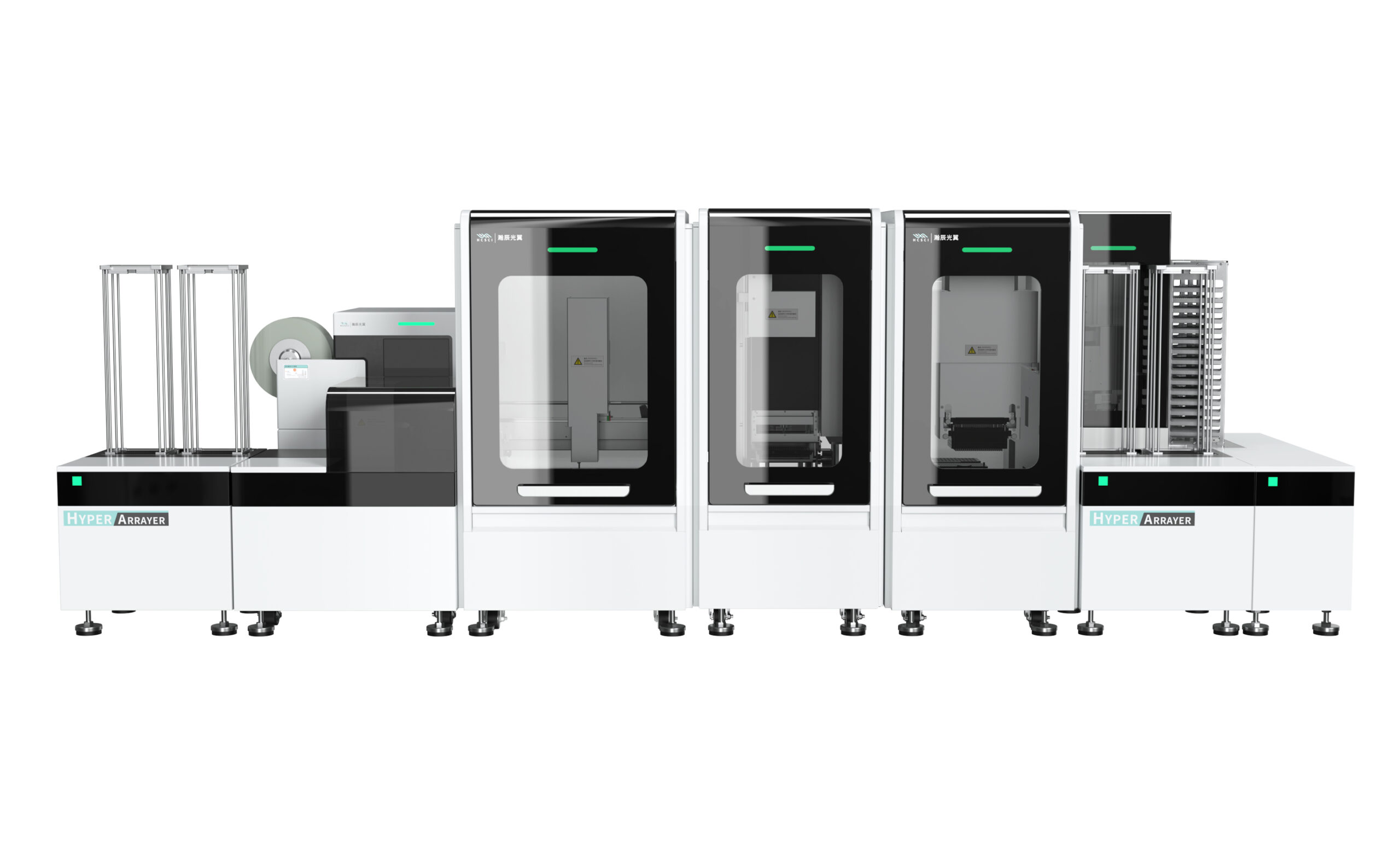
HyperGeno provides an integrated, automated workflow covering DNA dispensing, drying, reagent handling, PCR amplification, fluorescence scanning and data analysis. Designed for large-scale molecular breeding and genomics laboratories, the system minimises manual intervention while delivering consistent, scalable genotyping performance.
HyperGeno can process up to 400 × 384-well plates in eight hours. The impact of multiplexing on this capacity is substantial:
| Genotyping configuration | Datapoints per 8-hour run |
|---|---|
| Singleplex (one SNP per well) | 153,600 |
| Duplex (two SNPs per well) | 307,200 |
By switching to PACE Multiplex Master Mix and combining existing assays, laboratories can effectively double their genotyping output without increasing the number of plates processed, changing their automation platform or undertaking additional assay optimisation.
This provides a particularly powerful opportunity for high-throughput laboratories to expand their data generation capacity without a corresponding increase in instrument time or consumable usage.
Applications across research and breeding
PACE Multiplex is particularly valuable wherever large numbers of genetic markers need to be screened efficiently. Applications include:
- Marker-assisted selection: Simultaneously screen multiple genetic markers to accelerate the identification of desirable traits in breeding populations.
- Plant breeding and molecular genetics: Increase the number of SNPs analysed across breeding populations without increasing sample or reaction numbers.
- Transgenic plant development: Detect multiple genetic targets within a single reaction.
- Seed purity and quality testing: Combine reference sequences with target-specific assays to support the detection of adventitious genetic material.
- Disease and pathogen research: Analyse multiple genetic variations or target sequences within a single sample.
Across these applications, the ability to obtain more genetic information from limited starting material offers practical advantages in both routine screening and large-scale research programmes.
Straightforward integration with your existing workflow

PACE Multiplex Master Mix is supplied at 2× concentration and can be stored at 4°C for up to two weeks or at -20°C for long-term storage. Formulations are available with or without ATTO 680 reference dye to accommodate different instrument configurations.
The chemistry is compatible with existing PACE, KASP and Amplifluor assay designs, as well as standard fluorescence-detection equipment capable of detecting the specified reporter dyes. Real-time monitoring is also possible on compatible qPCR instruments.
For researchers developing new PACE genotyping assays, 3CR Bioscience offers a complimentary assay design service, helping laboratories establish reliable assays for their specific research requirements.
To find out more about PACE Multiplex Master Mix, explore the product information and user guide, or contact the 3CR Bioscience team at support@3crbio.com.