Single nucleotide polymorphism (SNP) analysis underpins modern genomics, from genomic selection in elite breeding programs to trait discovery in academic research and product development in biotech.
As demand for SNP data grows, so too do the questions around infrastructure, cost, scalability, and expertise.
For many organisations, the decision is no longer whether to genotype but whether to invest in building in-house capability or to partner with a specialist provider of genotyping services.
This article explores when outsourcing SNP genotyping, in full or in part, makes strategic, technical, and commercial sense, and how flexible service models can accelerate research and breeding outcomes.
The Expanding Role of SNP Genotyping
SNP genotyping supports:
- Marker-assisted selection (MAS)
- Genomic selection (GS)
- Trait introgression
- Parentage verification
- Diversity analysis
- QTL validation
- Marker discovery
- Regulatory or quality control testing
Whether you are an academic researcher, commercial breeder or biotech innovator, SNP data informs high-value biological and commercial decisions.
The challenge lies in generating that data efficiently, accurately, and at the right scale.
How the underlying assays work, and how allele-specific PCR compares with other methods, is covered in SNP genotyping assays
In-House Genotyping or Genotyping Services: A Quick Comparison
Before working through the individual scenarios, the trade-off in summary. The decisive question is rarely capability, it is utilisation: an in-house laboratory only pays for itself if it runs close to capacity year-round.
| Factor | In-house laboratory | Outsourced genotyping services |
| Upfront investment | PCR instrumentation, extraction automation, plate readers, laboratory fit-out | None, project-based cost only |
| Staffing | Molecular biology staff, data analysis expertise, ongoing training | Provided by the service laboratory |
| Cost behaviour | Largely fixed, independent of sample numbers | Variable, scales with actual usage |
| Seasonal peaks | Capacity sized to the peak sits idle the rest of the year | Capacity available on demand |
| Turnaround control | Full control, subject to internal capacity | Depends on the provider’s queue and agreed service levels |
| Method flexibility | Limited to the platforms purchased | Endpoint PCR, multiplex and GBTS from one provider |
| Quality systems | Must be built and maintained internally | Provided, including validated workflows and QC |
| Best suited to | High, steady sample volumes and long-term genomics strategy | Variable volumes, new entrants to genomics, seasonal peaks, start-ups |
When Does Outsourcing Genotyping Services Make Sense?
1. When You Don’t Have an In-House Molecular Lab
Many traditional plant and animal breeding organisations are moving into genomic selection for the first time.
Establishing a molecular lab requires:
- Capital investment in PCR instrumentation and extraction automation
- Validated workflows
- Skilled molecular biology staff
- Data analysis expertise
- Ongoing consumables and maintenance
- Quality management systems
For organisations without existing infrastructure, outsourcing to a specialist provider removes these barriers.

Example: A Plant Breeder Transitioning to Genomic Selection
A traditional plant breeder and seed producer wants to implement marker-assisted selection but has:
- No molecular lab
- No genomics team
- Limited experience in SNP workflows
Rather than investing in infrastructure, the breeder partners with 3CR Bioscience for an integrated workflow:
- Field leaf sampling
- Shipment using 3CR’s secure collection kits
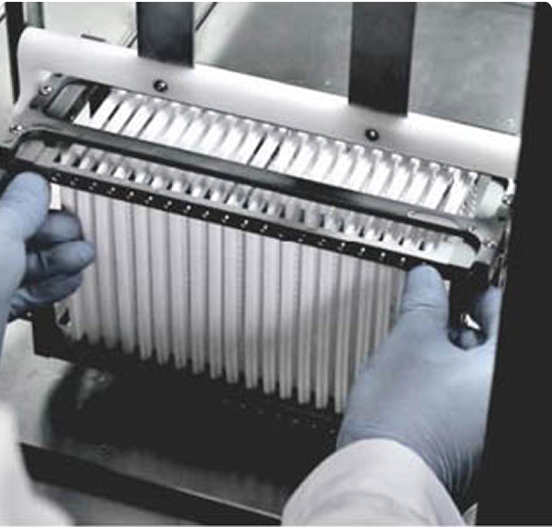
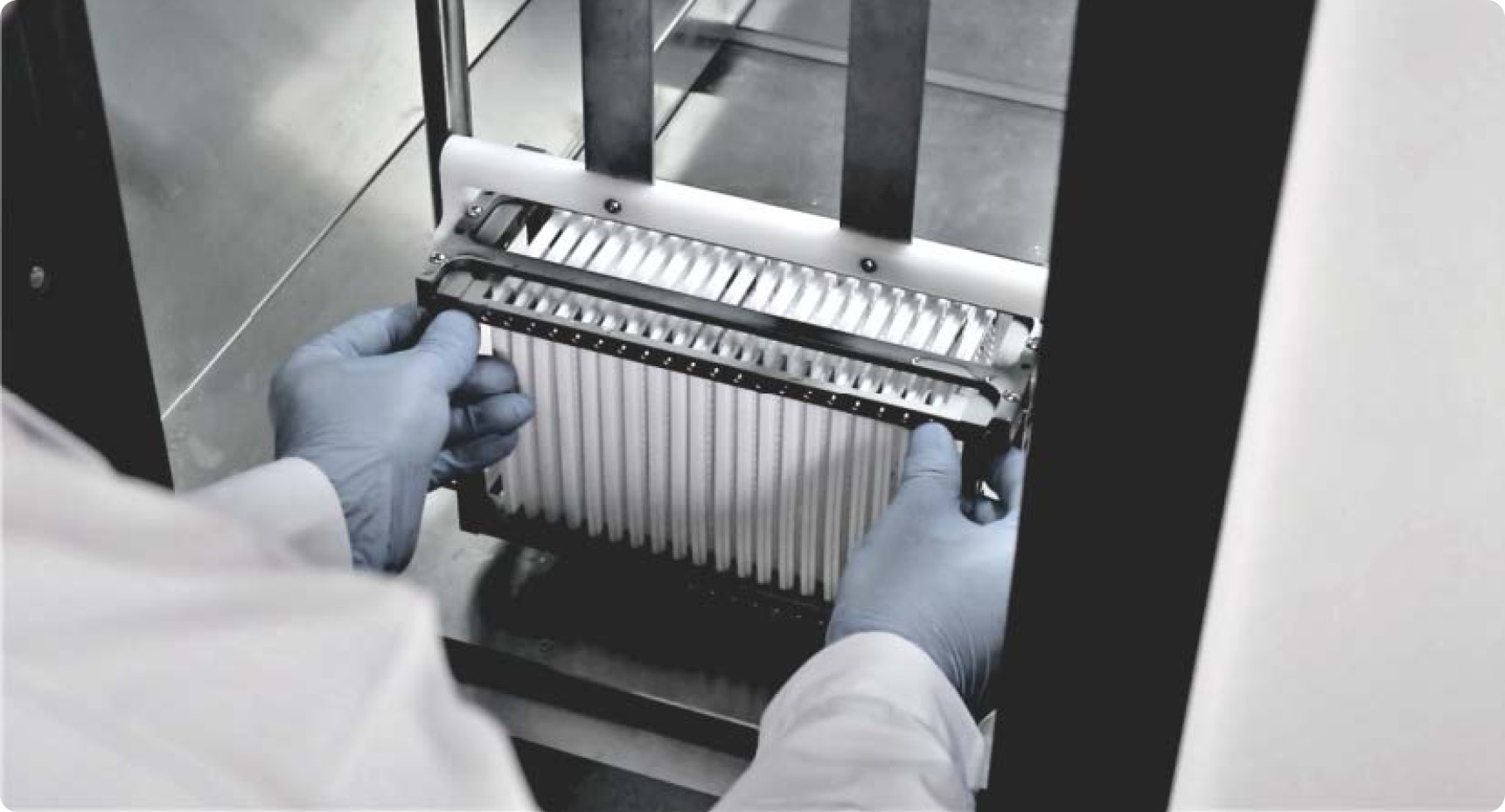
- Automated magnetic bead-based DNA extraction
- SNP genotyping
- Delivery of analysed, quality-controlled data
The collection kits and the sampling procedure are documented in the leaf sample collection kit user guide.
Breeders can choose:
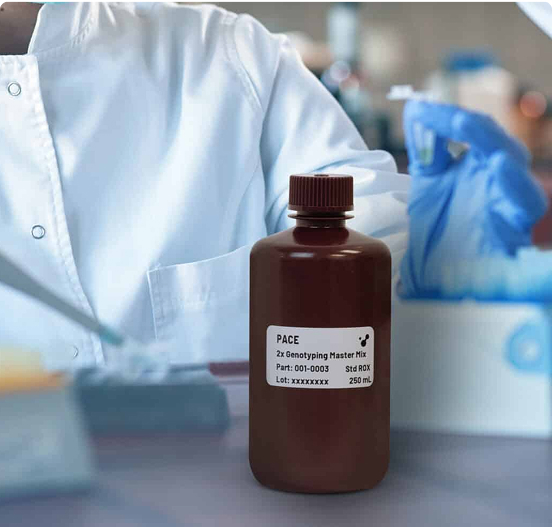
- Endpoint genotyping using PACE® chemistry for screening a defined set of SNP markers
- PACE® Multiplex genotyping, enabling detection of up to four targets in a single reaction to increase throughput
- Genotyping by Target Sequencing (GBTS) for higher-density marker analysis supporting genomic selection
The breeder focuses on making crossing and selection decisions, not managing laboratory workflows.
2. When You Need Seasonal Scalability
Example: Established Breeder with Peak-Season Bottlenecks
Large breeding companies often maintain internal genotyping labs. For much of the year, their in-house capacity is sufficient.
However, during peak growing seasons:
- Marker screening demand spikes
- Thousands of samples must be processed rapidly
- Turnaround time directly affects crossing decisions
At these times, outsourcing part of the workload to a trusted partner offering high-throughput genotyping services becomes strategically valuable.
3CR Bioscience provides overflow capacity through:

Rather than expanding permanent staff or purchasing additional instrumentation used only seasonally, breeders gain:
- Rapid turnaround
- Operational flexibility
- Reduced internal pressure
- Risk mitigation
Outsourcing becomes a strategic pressure valve rather than a permanent structural change.
3. When You Only Need Part of the Workflow
Outsourcing SNP genotyping does not need to be all-or-nothing. At 3CR Bioscience, researchers can select modular services, including:
- DNA extraction only (purified DNA returned)
- Endpoint genotyping only (customer supplies DNA)
- Extraction + PACE® genotyping
- Extraction + GBTS
- GBTS only
This flexibility suits:
- Universities performing in-house qPCR but lacking automated extraction
- Research labs holding archived DNA stocks requiring SNP validation
- Companies conducting internal bioinformatics analysis
- Startups controlling costs through staged outsourcing
By selecting only what’s required, organisations maintain control while reducing operational burden.
All five service combinations, and what each one includes, are set out on the 3CR Bioscience genotyping services page.
4. When You Need High-Density Data Without Building NGS Capacity
Next-generation sequencing (NGS) infrastructure requires:
- Library preparation optimisation
- Sequencing platform access
- Bioinformatics pipelines
- Data storage and cloud infrastructure
- Ongoing quality control
For many breeding and research programs, building internal NGS capacity is not part of the long term plan.
Genotyping by Target Sequencing (GBTS) offers targeted, cost-effective SNP discovery and genotyping across thousands of markers, without whole-genome sequencing overhead.
Through its GBTS service, 3CR Bioscience provides:
- Standardised sample processing
- Automated QC workflows
- Library construction
- Cloud-based data delivery
Researchers gain dense genomic data for selection or mapping, without managing sequencing facilities internally.
The general trade-off between targeted genotyping and sequencing is explained in genotyping vs sequencing.
5. When Accuracy and Reproducibility Are Non-Negotiable
Reliable SNP calls depend on:
- High-quality DNA extraction
- Optimised chemistry
- Robust assay design
- Automated workflows
- Stringent QC procedures
DNA Extraction
3CR’s automated magnetic bead-based extraction workflows deliver
- High purity
- Consistent yield
- Compatibility with plant tissue, animal tissue, and blood
Endpoint Genotyping with PACE®
PACE chemistry provides:
- Precise SNP discrimination
- High call rates: 99.8%
- Cost-effective marker screening
- Scalability from small panels to thousands of samples
PACE® Multiplex further increases efficiency by enabling multiple SNP targets per reaction without additional optimisation.

High-Density Genotyping with GBTS
GBTS enables
- High-throughput marker screening
- Targeted genomic region capture
- Efficient sequencing utilisation
- Scalable SNP genotyping for genomic selection
Selecting the right platform enables accuracy in line with program goals.
6. When Speed Impacts Commercial Outcomes
In breeding programs, delayed genotyping can mean:
- Missed crossing windows
- Slower trait introgression
- Reduced genetic gain per cycle
- Delayed product launch
In annual crops, a missed genotyping window may equate to a full year of delay.
Outsourcing to a specialist provider offering rapid, reliable SNP genotyping services protects timelines and competitive advantage.
Outsourcing removes this bottleneck. Working with a specialist genotyping provider, samples can move from receipt to report delivery in as little as 14 days, keeping pace with even the tightest breeding calendar.

Shipping timelines and packaging requirements, which affect total turnaround, are covered in the DNA sample shipping guide.
7. When You’re a Start-Up or Spin-Out
Early-stage biotech companies prioritise:
- Lean operations
- Flexible expenditure
- Rapid proof-of-concept data
- Capital preservation
Outsourcing genotyping allows startups to:
- Access expert infrastructure
- Avoid equipment purchase and depreciation
- Scale projects as funding progresses
- Focus internal resources on IP development and commercial strategy
Additional Situations Where Outsourcing Makes Strategic Sense
Beyond breeding and academia, outsourcing SNP genotyping supports:
- Livestock parentage verification programs
- Conservation genetics initiatives
- Contract research organisations (CROs)
- Regulatory compliance testing
- Biotech product validation
In each case, specialist genotyping services reduce operational burden while maintaining high standards of data quality and reproducibility.
The Strategic Advantage of a Trusted Genotyping Partner
Outsourcing is not simply about cost; it is about:
- Access to specialist technical expertise
- Reliable, reproducible SNP data
- Scalability on demand
- Risk reduction
- Faster decision-making
- Innovation without infrastructure overhead
Through integrated DNA extraction services, PACE® endpoint and multiplex genotyping, and high-density GBTS solutions, 3CR Bioscience supports researchers and breeders in generating high-quality genomic data aligned with their scientific and commercial objectives.
Frequently Asked Questions About Genotyping Services
What are SNP genotyping services?
SNP genotyping services outsource part or all of the laboratory workflow to a specialist provider. A typical service covers DNA extraction, marker analysis by allele-specific PCR or targeted sequencing, quality control and delivery of analysed genotype data. Customers send samples and receive results, without operating the instrumentation themselves.
Can I outsource only part of my genotyping workflow?
Yes. Services are modular: DNA extraction only, endpoint genotyping only with customer-supplied DNA, extraction combined with PACE® genotyping, extraction combined with GBTS, or GBTS alone. Organisations commonly keep bioinformatics in house and outsource the wet-lab steps.
Is outsourcing cheaper than building an in-house genotyping lab?
It depends on utilisation. An in-house laboratory carries largely fixed costs in instrumentation, staff and quality systems, so it pays off at high and steady sample volumes. Outsourcing converts those fixed costs into variable project costs, which is usually cheaper for variable volumes, seasonal peaks and organisations new to genomics.
What sample types can be sent for genotyping?
3CR Bioscience’s extraction workflows handle plant tissue, animal tissue and blood. Customers who have already extracted DNA can send that instead and book genotyping only.
Final Thoughts: Focus on Your Science, Not Your Pipettes
The decision to outsource SNP genotyping should be guided by:
- Project scale
- Internal expertise
- Seasonal demand
- Capital constraints
- Speed requirements
- Long-term strategy
For many organisations, particularly those transitioning into genomics or managing peak workloads, outsourcing delivers measurable scientific and commercial advantage.
With flexible genotyping services and scalable technology platforms, 3CR Bioscience enables breeding programs, commercial production, and research teams to turn genetic insight into actionable outcomes, without the bottleneck of managing laboratory infrastructure.
Request a quote for your genotyping project , and receive a tailored quote within 24 hours. Teams that would rather run the work in house can compare reagents and instrumentation instead.