Modern DNA extraction kits, particularly magnetic bead-based systems, have transformed plant molecular workflows by enabling scalable, high-purity genomic DNA extraction from a wide range of plant tissues and species.
Plant cells contain compounds such as polysaccharides, polyphenols and secondary metabolites that can interfere with DNA isolation and downstream molecular assays.
Depending on the plant species, starting material and downstream application, extracting DNA from plant seeds and tissue can present unique technical challenges. Understanding those challenges and applying best practices can significantly improve results and efficiency.
What to Look for in Plant DNA Extraction Kits
- Effective inhibitor removal
- High-purity DNA recovery
- Compatibility with automation
- Performance across diverse species
- Robust seed and tissue extraction
This blog explores some of the technical considerations behind plant DNA extraction kits, highlights common pitfalls, and outlines practical optimisation strategies drawn from the expert-developed protocols behind 3CR Bioscience’s Mag Plant Pro and Mag Seed Pro chemistries.
Why Plant DNA Extraction Kits Face Challenges
Unlike animal tissues, plant cells contain:
- Rigid cell walls (cellulose, lignin)
- High levels of polysaccharides
- Polyphenols and secondary metabolites
- Lipids (especially in seeds)
- Endogenous nucleases
These compounds can:
- Co-precipitate with DNA
- Inhibit PCR and enzymatic reactions
- Reduce binding efficiency
- Lower purity ratios (A260/A280 and A260/A230)
- Cause DNA degradation
For this reason, even the best DNA extraction kits require thoughtful sample preparation and protocol optimisation.
The Most Important Step: Plant Tissue Sampling and Storage
Before discussing extraction chemistry, we must emphasise a key principle: DNA quality begins in the field or greenhouse — not in the lab.
Why Correct Sampling Matters
Poor sampling and storage can result in:
- DNA degradation
- Oxidation of polyphenols
- Increased nuclease activity
- Variable yields
- Inconsistent downstream results

Best Practices for Plant Sampling
- Use young leaves where possible — they contain more viable cells and fewer inhibitors.
- Avoid diseased or damaged tissue.
- Minimise time between sampling and preservation.
- For dry storage, proper desiccation is essential.
Investing time in a consistent, optimised sampling protocol significantly improves your DNA yield, purity and reproducibility across samples, experiments and seasons.
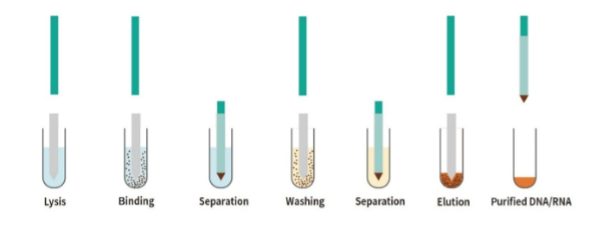
Magnetic Bead-Based DNA Extraction Kits: How They Work
Modern plant DNA extraction kits, such as 3CR Bioscience’s Mag Plant Pro and Mag Seed Pro, are based on solid-phase magnetic bead technology.
Core Principle
Under specific buffer conditions:
- DNA selectively binds to magnetic beads
- Contaminants are washed away
- DNA is eluted in a clean buffer
This approach offers:
- High purity
- Automation compatibility
- Scalability (manual or high-throughput)
- Reduced cross-contamination risk
- Consistent reproducibility
Extracted DNA is immediately suitable for:
- PCR
- Real-time PCR
- SNP genotyping
- NGS
- Other downstream molecular assays
Magnetic bead systems compare favourably with silica- and column-based kits, especially in high-throughput or automation-heavy workflows.
Versatility Across Plant Species and Tissue Types
One of the strengths of advanced DNA extraction kits is their ability to handle a wide range of species and tissue types.
Mag Plant Pro and Mag Seed Pro have been successfully tested across numerous commercial and non-commercial plant species. Typical results demonstrate strong purity and yields across diverse tissues. The following example results illustrate the performance of Mag Plant Pro across a range of commonly analysed plant species:
| Plant | A260/A280 (Avg.) | A260/A230 (Avg.) | Avg. Yield (µg) |
| Wheat | 2.0 | 2.3 | 8.8 |
| Maize | 2.0 | 2.1 | 3.7 |
| Tea | 2.0 | 2.2 | 13.1 |
| Rice | 1.9 | 1.9 | 3.1 |
| Cotton | 2.0 | 2.1 | 20.5 |
| Tomato | 2.0 | 1.7 | 3.5 |
| Oilseed rape | 2.0 | 2.1 | 2.0 |
It is important to note that yields can vary widely depending on:
- Species
- Tissue type
- Age of tissue
- Storage conditions
- Metabolite content
Users should expect an optimisation phase when working with new species. Investing time at the start to establish best practices pays long-term in terms of consistency and data quality.

Special Considerations for Seed DNA Extraction Kits
Seed tissues introduce additional challenges:
- High lipid content
- Dense storage proteins
- Seed coats containing inhibitors
- Variable embryo size
The Mag Seed Pro kit supports diverse seed types:
- Common seeds (e.g., wheat, rice): single seed often sufficient
- Large seeds (e.g., maize, bean): use 20–30 mg chip from embryo/cotyledon
- Very small seeds: pool 5–10 seeds

Why Removing Seed Coats Matters
Seed coats can harbour:
- Polysaccharides
- Polyphenols
- Soil residues
- Pesticides
- Microbial contaminants
Removing the seed coat where possible significantly improves downstream purity and PCR performance.
Typical seed results:
| Seed | A260/A280 | A260/A230 | Avg. Yield (µg) |
| Wheat | 2.0 | 2.1 | 2.4 |
| Maize (embryo) | 2.0 | 2.1 | 1.7 |
| Soybean | 2.0 | 2.0 | 2.2 |
| Tomato | 1.8 | 2.6 | 0.7 |
| Cabbage | 1.9 | 2.6 | 0.4 |
Best Practices for Homogenisation
Efficient lysis depends on thorough mechanical disruption.
Recommended methods:
- Mortar and pestle with liquid nitrogen
- Freeze-drying (lyophilisation) then grinding
- Mechanical grinding with steel or zirconia beads
Critical Rule: Add lysis buffer immediately after grinding.
Delays can:
- Activate nucleases
- Cause DNA degradation
- Increase oxidation
Well-homogenised tissue ensures consistent lysis and optimal DNA recovery.
Optimising DNA Extraction Kits for Difficult Species
Some plant species require protocol adjustments due to secondary metabolites. Here are the most common secondary metabolites and how to optimise for them:
1.High Polyphenol Content (Tea, Grape, Cotton, Palm)
Polyphenols bind DNA and inhibit PCR. Recommended adjustments include:
- Add DTT (50 mM final concentration), or
- Add β-mercaptoethanol (2% final concentration) to lysis buffer
2. High Polysaccharides (Cacti, Orchids, Sweet Potato)
Polysaccharides co-precipitate with DNA.
Solutions:
- Grind in liquid nitrogen
- Reduce tissue input to ≤20 mg
3. High Lipid Content (Oily Seeds, Avocado)
Lipids interfere with binding.
Solutions:
- Add Proteinase K
- Incubate at 55 °C during lysis
4. Woody or Tough Tissues
- Extend mechanical disruption
- Optionally add Proteinase K
These simple modifications expand the versatility of magnetic bead-based DNA extraction kits across diverse plant systems.
Automation vs Manual Extraction
Modern DNA extraction kits offer flexibility:
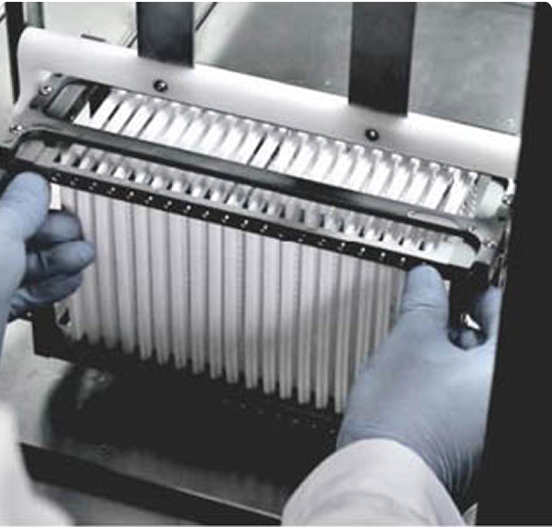
- Automated workflows using high-throughput extraction instruments
- Manual bench-scale workflows for smaller projects
Automation advantages:
- Reproducibility
- Reduced hands-on time
- High sample throughput
- Minimised human error
Manual workflows remain highly effective when sample numbers are low or instrumentation is unavailable.
Troubleshooting Common Problems
Even with robust DNA extraction kits, plant samples can occasionally produce suboptimal results.
Low Purity (A260/A280 < 1.7)
Cause: Incomplete washing or too much starting material
Solutions:
- Add additional wash steps
- Reduce tissue input
Low Yield
Causes:
- Incomplete lysis
- Poor homogenisation
- Insufficient elution
Solutions:
- Improve mechanical disruption
- Extend lysis time
- Increase lysis temperature to 65 °C
- Ensure elution buffer is pre-heated
DNA Degradation
Causes:
- Freeze–thaw cycles
- Delayed lysis buffer addition
- Over-grinding
Solutions:
- Use fresh or properly frozen material
- Add lysis buffer immediately
- Avoid excessive mechanical stress
Poor Downstream Performance
Cause: Residual inhibitors
Solution:
- Reduce starting material
- Ensure complete ethanol removal
- Use fluorescence-based DNA quantification
Magnetic Bead vs Silica and Column-Based DNA Extraction Kits
While silica column kits remain widely used, magnetic bead systems offer distinct advantages:
| Magnetic Beads | Silica/Column Kits |
| Easily automated | Primarily manual |
| Scalable to 96/384 wells | Limited throughput |
| Reduced centrifugation | Multiple spin steps |
| Lower cross-contamination risk | Higher manual handling |
Final Thoughts: Invest in Optimisation Early
Plant DNA extraction is not “one size fits all.”
Even the most versatile DNA extraction kits require:
- Thoughtful sampling
- Correct storage
- Species-specific optimisation
- Careful homogenisation
- Attention to washing and elution steps
The key message:
Invest time in optimising your protocol at the beginning.
The result will be reliable, reproducible DNA extraction that supports high-quality downstream genomics.
When combined with strong sampling practices and proper troubleshooting, modern magnetic bead-based systems can deliver consistent, high-purity DNA from an exceptionally broad range of plant tissues and seed types.
Looking to optimise your plant DNA workflows?
3CR Bioscience’s magnetic bead-based DNA extraction kits, including Mag Plant Pro and Mag Seed Pro, are designed to deliver reliable, high-purity DNA across diverse plant tissues and seed types.