How allele-specific PCR and SNP markers are transforming peanut cultivar development
3CR was delighted to host the Industry Workshop ‘Accelerating Crop and Animal Breeding Enhancement Through High-Throughput Genotyping’ at the 31st Plant and Animal Genome Conference in San Diego, USA in January this year. Professor Jeff Dunne and Dr Ryan J Andres from the Peanut Breeding & Genetics Program, Crop & Soil Sciences at, North Carolina State University, took us through their efficient and economical marker-assisted selection pipeline for peanut cultivar development which can be applied to any trait in any organism in ‘Advancing Peanut Cultivar Development: Integrating PACE reagents and User-Friendly Computational Tools for Marker-Assisted Selection’. Here is their story.

In the heartland of North Carolina, a team of scientists at NC State University is spearheading a revolution in peanut breeding. Their mission? To unlock the full potential of Virginia-type peanuts through the power of the modern genomics tools Whole Genome Sequencing and Genomic Selection using SNP Genotyping with PACE Allele-specific PCR.
What Is Allele-Specific PCR in Peanut Cultivar Development?
Peanut cultivar development is the systematic process of breeding new peanut varieties with improved traits, such as disease resistance, high oleic acid content, and superior yield by selecting individuals that carry the most beneficial genetic profiles. Allele-specific PCR is a key molecular tool in this process: it uses primers designed to detect specific single nucleotide polymorphisms (SNPs) that are linked to these target traits, enabling breeders to identify the right plants at the seedling stage rather than waiting for field results. In competitive allele-specific PCR, such as 3CR Bioscience’s PACE (PCR Allele Competitive Extension) chemistry, two allele-specific primers compete in the same reaction, with fluorescent reporters distinguishing each allele outcome. This approach allows peanut cultivar development programmes to screen thousands of samples per year with high accuracy and minimal cost per data point, dramatically accelerating the development of new Virginia-type and other peanut cultivars.
Why Virginia-Type Peanuts Matter
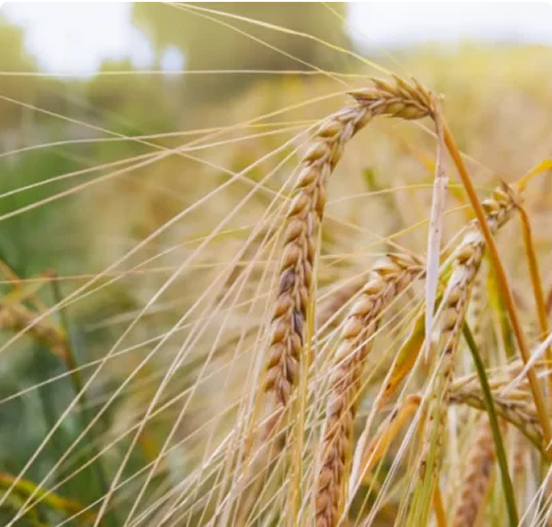
Virginia-type peanuts, (Arachis hypogaea subsp. Hypogaea) constitute a significant portion of the U.S peanut market, prized for their in-shell products and nutritional value. With their large, visually appealing pods and seeds, they’re the darlings of gourmet snack products. However, to ensure their continued success, its crucial to enhance their resilience and productivity.
SNP Markers in Plant Breeding: Marker-Assisted Selection for Peanut Cultivars Explained
Marker-Assisted Selection (MAS) is now a not-so-secret weapon in the arsenal of modern breeders. By identifying and selecting for desirable traits at the molecular levels, MAS accelerates the breeding process, producing superior cultivars with unmatched efficiency. The team have packaged their greenhouse-based, marker-assisted selection pipeline into a user-friendly toolset including open-source, python-based robotics for lab work, custom web-based applications, and PACE genotyping reagents. It is flexible, low-cost, and quick.
SNP markers in plant breeding are the molecular signposts that make MAS possible: each SNP marks a position in the genome linked to a known trait, allowing breeders to select for peanut cultivar development goals, such as high oleic acid content, late leaf spot resistance, or yield improvement, without phenotyping every individual. The NC State team’s pipeline uses hundreds of validated PACE SNP assays per year to drive their peanut cultivar development programme forward.

Harnessing SNP Genotyping by Allele-Specific PCR for Marker Development
Central to their approach, is the integration of SNP genotyping by allele-specific PCR, a rapid, cost-effective way to develop and validated trait marker assays, initially to identify and track wild species introgression blocks in germplasm and cultivars and then for widespread application of marker-assisted selection. With the PACE reagents and user-friendly computation tools designed by Prof Jeff Dunne and Ryan Andres and their colleagues, the group can swiftly analyse genetic data, pinpointing the traits that matter most for their cultivar development. Armed with a validated set of PACE markers, MAS becomes a potent tool for selecting introgression blocks conferring pathogen resistance and other valuable traits. The team designs and uses 100s of PACE assays per year.

SNP Genotyping Pipeline
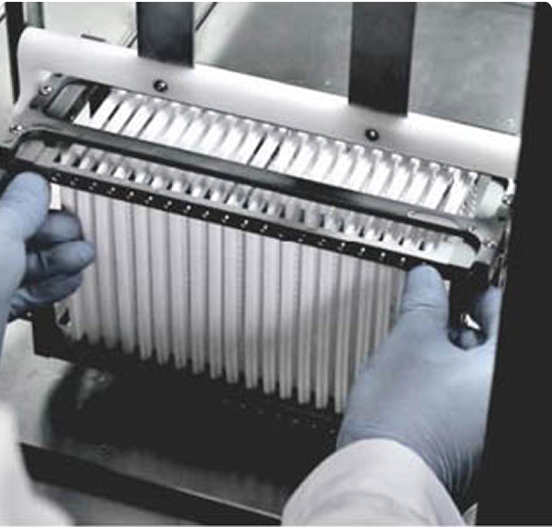
The process begins with the design and ordering of primers for PACE genotyping assays. These primers are then mixed into marker assays using automated systems, streamlining laboratory workflow. Next comes DNA extraction and normalisation, followed by the crucial step of running PCR plates. Finally, data analysis using custom web applications completes the cycle, enabling the team to make informed selections based on genetic markers.
Open-Source Web Applications for analysing SNP genotyping data
Accessibility is key, and the team has developed open-source web applications including a web-based SNP caller for analysing SNP genotyping data. The application is free for anyone to use, and it can be accessed at go.ncsu.edu/snp-caller

Analysing Peanut Populations with Mixed Wild and Cultivated Genetics at University of Georgia
The NCSU peanut breeding team is not the only group applying achieving success by integrating PACE genotyping into their workflow. A group from Institute of Plant Breeding, University of Georgia have just published a paper using PACE to analyse the movement of traits between wild and cultivated peanut lines. They demonstrated that when incorporating beneficial traits from wild germplasm, unadapted wild pod and seed traits are also inherited. A major pod construction QTL was discovered in a backcross population harbouring wild-derived segments. PACE markers were developed and validated for MAS against wild-type deep pod construction traits in future cultivars.
The Future of Peanut Cultivar Development with Competitive Allele-Specific PCR
With MAS powered by SNP genotyping and PACE Allele-Specific PCR, the future of peanut breeding has never looked brighter. By combining traditional breeding practices with state-of -the-art genomic tools, NC State University and University of Georgia are paving the way for a new era of peanut cultivar development. And as they continue to refine and share their knowledge, the benefits can extend far beyond peanut breeding– reshaping breeding and trait development for generations to come.
Empowering Peanut Cultivar Development Programmes Worldwide
The culmination of these efforts serves as a blueprint for breeding programs worldwide. By demonstrating the efficacy of their pipelines and user-friendly tools for peanut breeding programs, the teams show how accessible and efficient genomics-assisted breeding can be for any trait and any organisms. With a robust framework in place, the possibilities are limitless. From swift responses to evolving biotic and abiotic threats, to the development of superior cultivars for public consumption, genomics assisted breeding holds the key to unlocking the full potential of this valuable crop and beyond.
3CR Bioscience’s PACE allele-specific PCR reagents power exactly this kind of high-throughput SNP genotyping pipeline. Whether the goal is marker-assisted selection in peanuts, cereals, or any other species, 3CR Bioscience provides the reagents, instrumentation, and expertise to make genomics-assisted breeding accessible and cost-effective at scale.
Frequently Asked Questions
What is peanut cultivar development?
Peanut cultivar development is the scientific process of breeding new peanut varieties (cultivars) with improved characteristics such as disease resistance, higher oleic acid content, better yield, and adaptation to local growing conditions. It involves identifying plants with the best genetic profiles across successive generations and using tools like marker-assisted selection to accelerate this process. Modern programmes at institutions such as NC State University combine traditional field breeding with genomics, including SNP genotyping by allele-specific PCR – to produce new Virginia-type and other peanut cultivars more quickly and precisely than was previously possible.
How is allele-specific PCR used in peanut cultivar development?
Allele-specific PCR detects single nucleotide polymorphisms (SNPs) at specific locations in the peanut genome that are linked to target traits. By running allele-specific PCR assays on DNA extracted from young seedlings, breeders can identify which individuals carry the most desirable allele combinations long before phenotypic traits are visible. This makes peanut cultivar development programmes far more efficient: only the most promising plants are grown on, reducing field trial costs and cutting the time needed to release a new cultivar. 3CR Bioscience’s PACE (PCR Allele Competitive Extension) chemistry is specifically designed for this type of high-throughput SNP genotyping in plant breeding.
What is marker-assisted selection in peanut breeding?
Marker-assisted selection (MAS) is the practice of using molecular markers, such as SNPs identified by allele-specific PCR, to guide selection decisions in a breeding programme. In peanut cultivar development, MAS allows breeders to track beneficial traits like pathogen resistance or high oleic content at the DNA level, without needing to phenotype every plant. The NC State University peanut breeding team has developed a complete, greenhouse-based MAS pipeline using PACE genotyping reagents, automated robotic systems, and custom web applications, which can process hundreds of marker assays per year with high accuracy and low cost.
What SNP markers are used for Virginia-type peanut cultivar development?
Virginia-type peanut (Arachis hypogaea subsp. hypogaea) cultivar development uses SNP markers derived from the de novo reference genome published by the NC State team. These markers were validated using allele-specific PCR (PACE) and are used to track introgression blocks from wild peanut species into cultivated lines, as well as to select for specific disease resistance loci and other agronomically important traits. The markers span the tetraploid peanut genome and are applied in marker-assisted selection pipelines to accelerate the development of new Virginia-type cultivars for gourmet and in-shell markets.
What is PACE genotyping and why is it used in peanut breeding programmes?
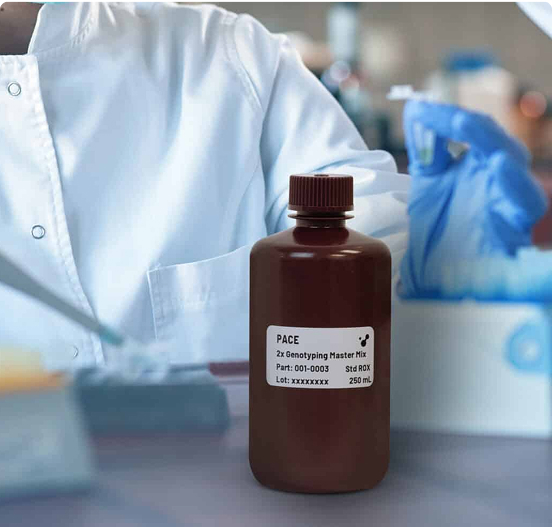
PACE (PCR Allele Competitive Extension) is 3CR Bioscience’s allele-specific PCR chemistry for SNP genotyping. In a PACE reaction, two allele-specific primers compete to amplify the target SNP, with different fluorescent reporter dyes distinguishing the two possible allele outcomes. PACE is used in peanut cultivar development programmes because it is highly cost-effective, scalable, and compatible with standard qPCR instrumentation, making it practical to run hundreds or thousands of SNP assays per year. The NC State University peanut breeding programme has validated PACE as a central tool in its marker-assisted selection pipeline, enabling routine screening of large breeding populations at low cost per data point.
References
Newman, C.S., Andres, R.J., Youngblood, R.C., Campbell, J.D., Simpson, S.A., Cannon, S.B., Scheffler, B.E., Oakley, A.T., Hulse-Kemp, A.M. and Dunne, J.C., 2023. Initiation of genomics-assisted breeding in Virginia-type peanuts through the generation of a de novo reference genome and informative markers. Frontiers in Plant Science, 13, p.1073542.
Andres, R.J. and Dunne, J.C., 2022. Understanding variation in oleic acid content of high-oleic Virginia-type peanut. Theoretical and Applied Genetics, 135(10), pp.3433-3442.
Ballén‐Taborda, C., Maharjan, N., Hopkins, M., Guimarães, L.A., Lindsey, D., Bertioli, D.J. and Leal‐Bertioli, S.C., 2024. A study of pod constriction in a peanut population with mixed wild and cultivated genetics. Crop Science.